

A creative idea can become a profitable product when you have the right tools to bring it to life. Custom T-shirts, personalized gifts, team merchandise, and promotional products continue to attract customers who want something more unique than mass-produced items.
For creators starting a small printing business, three essentials can make a strong foundation: a dependable Heat Press Machine, quality heat transfer vinyl, and suitable sublimation paper.
Each material works differently, but understanding their strengths can help you choose the right method for every project and potentially turn more customer requests into sales.
Why a Heat Press Machine Is the Foundation
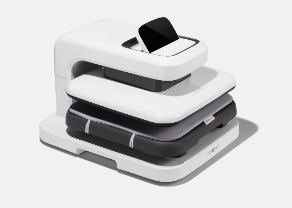
A Heat Press Machine uses controlled heat and pressure to apply designs to compatible products. For apparel decorators, this can be one of the most useful investments because it provides a more consistent application process than trying to transfer designs with a household iron.
Consistency becomes especially important when you’re producing customer orders. If someone orders 20 shirts for a family reunion or local event, every garment should have a similar finish. A reliable press helps create a repeatable workflow instead of relying on different amounts of manual pressure for every item.
Depending on the equipment and accessories, a Heat Press Machine can also support products beyond basic T-shirts. This gives small businesses an opportunity to expand their catalogs gradually without purchasing a separate machine for every new product.
Get Creative With Heat Transfer Vinyl
One of the most accessible ways to customize garments is heat transfer vinyl. It works particularly well for names, numbers, lettering, logos, and graphic designs that can be cut from vinyl.
The biggest advantage is flexibility for smaller orders. You might have a customer who needs six shirts, each with a different name. Rather than requiring a large production run, you can prepare each design individually.
Heat transfer vinyl also comes in a variety of colors and specialty finishes. This allows a small apparel shop to offer different visual styles without dramatically changing its production process.
For beginners, it can also be a practical way to learn how cutting, weeding, positioning, and heat application work before moving into more advanced printing techniques.
Where Sublimation Paper Comes In
Sublimation paper is used in a different type of transfer process. It carries sublimation ink from the printed design onto compatible coated blanks or polyester-based materials when exposed to the appropriate heat.
Unlike a conventional vinyl layer, sublimation ink becomes integrated into the compatible surface during the transfer process. This makes it particularly useful for colorful designs where a smooth, vibrant finish is desired.
Sublimation is commonly used for products such as polyester apparel, mugs, tumblers, mouse pads, and specially coated gifts.
However, compatibility matters. Standard sublimation isn’t suitable for every fabric or surface, so it’s important to check whether the blank is designed for sublimation before starting a project.
Choosing the Right Method for the Product
One of the smartest things a small printing business can learn is that there isn’t one transfer method that works perfectly for everything.
A Heat Press Machine provides the controlled heat and pressure needed for many different applications. Heat transfer vinyl is useful when you want names, numbers, lettering, or cut graphics on suitable garments.
Sublimation paper, meanwhile, supports a printing process that works particularly well for compatible polyester materials and coated products.
Understanding these differences can help prevent wasted supplies.
For example, if a customer wants a simple one-color name on a cotton shirt, heat transfer vinyl may be a practical choice. If they want a vibrant photograph on a compatible polyester product, sublimation may make more sense.
Matching the method to the product can improve both quality and profitability.
Turn Customization Into Repeat Business
The real value of a printing business isn’t only the first order. It’s getting customers to return.
A customer who starts with personalized shirts may eventually need matching bags, promotional products, team merchandise, or seasonal designs. Offering multiple production options gives you more opportunities to serve the same customer over time.
A dependable Heat Press Machine provides the foundation, while heat transfer vinyl and sublimation paper allow you to approach different types of projects with greater flexibility.
As your capabilities expand, adding DTF printing can further increase the range of apparel you can offer.
Final Thoughts
Building a successful custom printing business starts with understanding your tools and using each one where it performs best. A reliable Heat Press Machine provides controlled heat and pressure, heat transfer vinyl makes personalized apparel accessible and flexible, and sublimation paper supports vibrant transfers on compatible products.
READ ALSO: Advances in Technology to Automate Doors for a Protected and Convenient Home