

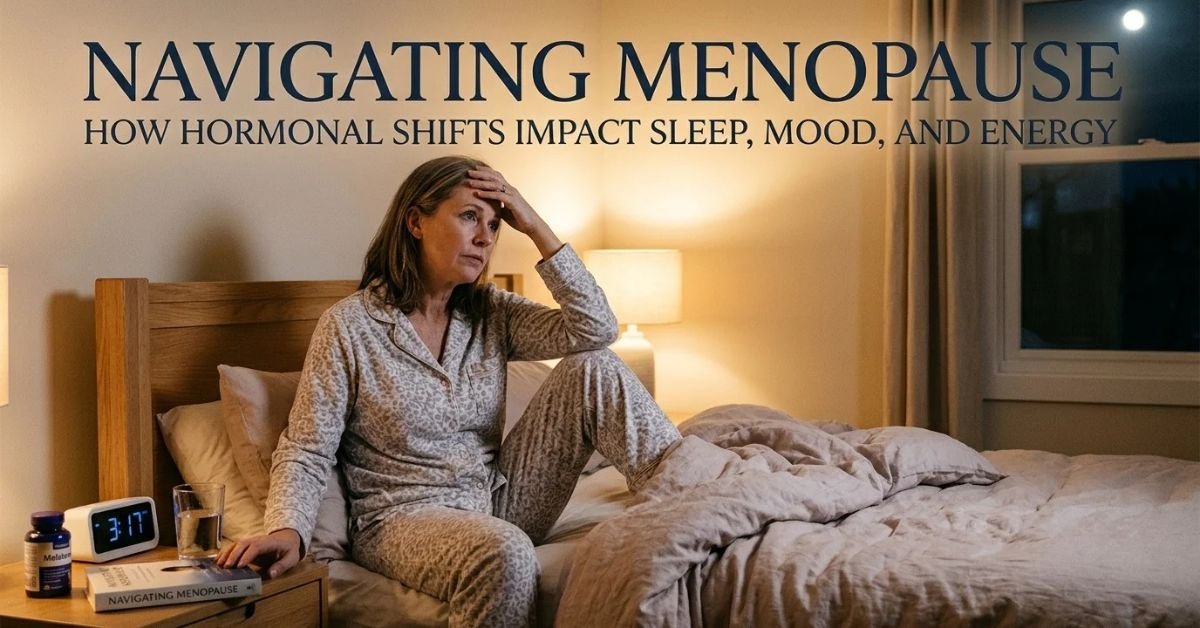
The physical transition into menopause rarely begins with an immediate stop to a woman’s menstrual cycle. Instead, most women enter perimenopause years earlier, experiencing unpredictable biochemical fluctuations that alter everyday well-being. Waking up drenched in sweat at two in the morning, battling uncharacteristic bouts of irritability, and struggling with sudden brain fog are often the earliest signs that endocrine production is shifting.
Because these changes emerge gradually, many women attribute their ongoing fatigue and emotional exhaustion to heavy work schedules, aging, or family pressures. However, declining ovarian hormones directly affect cellular metabolism, neurotransmitter regulation, and sleep architecture. Looking into specialized medical guidance for more information on perimenopause and menopause care helps women understand how targeted therapies restore physical stamina, mental clarity, and restorative rest.
The Sleep Disruption Cycle: Vasomotor Symptoms and Circadian Rhythms
Restorative sleep is often the first casualty of the menopausal transition. Estrogen plays an active role in regulating the body’s internal thermostat inside the hypothalamus. When estrogen levels fluctuate erratically, this thermoregulatory center misinterprets normal variations in temperature, triggering sudden vasodilation. The resulting hot flashes and nocturnal night sweats wake the brain repeatedly, interrupting the deep, restorative stages of non-REM and REM sleep.
Hormonal disruption affects nighttime rest through several distinct physiological mechanisms:
- Progesterone Depletion: Progesterone acts as a natural relaxant by stimulating gamma-aminobutyric acid (GABA) receptors in the brain. As ovarian progesterone output drops during perimenopause, women often experience bedtime restlessness, heightened sleep latency, and frequent mid-night awakenings.
- Micro-Arousals and Sleep Architecture: Frequent vasomotor events force the nervous system into brief fight-or-flight spikes throughout the night. Even if you do not remember waking up, these subtle micro-arousals keep your heart rate elevated and prevent your muscles and immune system from repairing themselves.
- Elevated Morning Cortisol: Chronic nighttime disruptions elevate cortisol production. Instead of waking up refreshed by a natural morning cortisol peak, women wake up exhausted, feeling an immediate deficit in daily energy.
Clinical data from The Menopause Society emphasizes that persistent sleep fragmentation during the midlife transition significantly increases the likelihood of depressive symptoms, cardiovascular strain, and impaired daytime cognitive function.
The Brain Chemistry Connection: Why Mood Shifts and Brain Fog Emerge
Hormones serve as powerful neuromodulators throughout the central nervous system. Estrogen directly influences the synthesis, release, and cellular reuptake of vital neurotransmitters, including serotonin, dopamine, and norepinephrine. When estrogen concentrations swing sharply or drop below historical baselines, neurological communication slows down.
This biochemical instability explains why many women experience sudden mood swings, heightened baseline anxiety, and unexpected tearfulness without an obvious psychological trigger. Tasks that once felt routine can suddenly seem overwhelming, leading to feelings of self-doubt in professional and personal settings.
At the same time, declining estradiol impairs how brain cells metabolize glucose. Because estrogen facilitates the brain’s ability to burn glucose for cellular energy, dropping levels create a localized bioenergetic deficit. Women commonly experience this process as brain fog: trouble recalling everyday words, misplacing items, and struggling to maintain concentration during long meetings. When combined with ongoing sleep deprivation, this neurochemical imbalance leaves women feeling mentally and emotionally depleted.
Chronic Fatigue and Changing Metabolic Energy
The fatigue that accompanies the menopausal transition differs substantially from ordinary tiredness. It is a systemic physical exhaustion that does not resolve after a quiet weekend or an extra cup of coffee. As ovarian function winds down, the body undergoes a fundamental shift in body composition and metabolic signaling.
Estrogen and androgens like testosterone support lean muscle development, insulin sensitivity, and mitochondrial efficiency. When these hormone levels decline, the body’s basal metabolic rate drops. Muscle mass diminishes more rapidly, while visceral fat tissue accumulates around the abdomen. Because adipose tissue actively produces inflammatory cytokines, this metabolic shift reinforces systemic inflammation, contributing to morning joint stiffness and constant low-level physical lethargy.
Furthermore, lower androgen levels in women correlate directly with reduced physical drive, muscular weakness, and a decreased interest in physical intimacy. When daily movement feels exhausting and physical vitality slips away, women often find themselves caught in a frustrating cycle of declining activity and compounding fatigue.
Restoring Balance Through Comprehensive Care
Managing the physical and emotional changes of menopause requires moving past single-symptom solutions and evaluating the whole person. Because the endocrine system functions as a linked network, addressing hormonal decline demands an integrated clinical evaluation that pairs detailed blood panels with an in-depth review of daily lifestyle factors, stress levels, and emotional wellness.
Effective clinical care focuses on identifying your unique biochemical baseline:
- Comprehensive Hormone Assessments: Measuring circulating estradiol, progesterone, testosterone, and thyroid function gives clinicians a precise view of active deficiencies.
- Personalized Hormone Replacement Therapy: Carefully dosed bioidentical hormones can stabilize the hypothalamic thermostat, protect bone density, and restore restorative sleep cycles.
- Targeted Metabolic and Nutritional Support: Strategic adjustments in dietary protein, resistance training, and micronutrient supplementation help preserve lean muscle mass and stabilize cellular energy.
- Intimacy and Sexual Health Integration: Addressing physical discomfort like vaginal dryness alongside psychological wellness ensures intimacy remains comfortable and fulfilling.
Navigating midlife hormonal transitions does not mean accepting chronic exhaustion and low mood as unavoidable facts of life. Working with specialists who evaluate the full physical and emotional picture gives you the tools needed to overcome sleep disturbances, stabilize your mood, and reclaim sustained daily energy.