

Cleanrooms are critical environments for industries such as pharmaceuticals, biotechnology, medical devices, electronics, and advanced manufacturing. Because these facilities must maintain controlled environmental conditions and minimize contamination risks, organizations need to follow strict operational and quality requirements.
A cleanroom regulatory audit assesses whether a facility is maintaining appropriate procedures, documentation, environmental controls, personnel practices, and quality systems. Preparing in advance can help organizations identify potential gaps and demonstrate that their cleanroom operations are consistently controlled.
What Is a Cleanroom Regulatory Audit?
A cleanroom regulatory audit is a structured assessment of a facility’s processes, documentation, equipment, environmental controls, and personnel practices.
Depending on the industry and applicable requirements, auditors may review:
- Environmental monitoring
- Cleaning and disinfection procedures
- Personnel gowning
- Air filtration and airflow
- Equipment maintenance and calibration
- Employee training
- Standard operating procedures
- Contamination-control practices
- Corrective and preventive actions
- Documentation and recordkeeping
The exact scope of an audit depends on the industry, facility, applicable regulations, and quality requirements.
Why Cleanroom Audit Preparation Matters
Effective cleanroom audit preparation should begin well before the scheduled inspection. Waiting until the last minute can make it difficult to identify missing records, outdated procedures, or inconsistencies between documented processes and actual practices.
A proactive approach allows organizations to:
- Identify compliance gaps
- Verify that SOPs are being followed
- Review environmental monitoring data
- Check employee training records
- Confirm equipment maintenance
- Review previous audit findings
- Address unresolved corrective actions
The goal should not simply be to pass an audit. A well-managed cleanroom should be able to demonstrate that its processes are controlled, documented, and consistently implemented.
Understand Your Cleanroom Compliance Requirements
The first step in cleanroom compliance is identifying which standards and regulatory requirements apply to the facility.
Different industries and cleanroom applications may have different requirements. Pharmaceutical manufacturing, medical device production, biotechnology, and semiconductor manufacturing, for example, can have significantly different operational priorities.
Once applicable requirements are identified, compare them against current procedures and documentation. This gap analysis can highlight areas where policies need to be updated, additional training is required, or documentation needs improvement.
Create a Cleanroom Audit Checklist
A detailed cleanroom audit checklist can help quality and facility teams organize their preparation and avoid overlooking important areas.
Environmental Controls
Verify that temperature, humidity, pressure differentials, airflow, and airborne particle levels are monitored according to applicable requirements.
Cleaning and Disinfection
Review cleaning schedules, disinfectant procedures, responsibilities, and records. Make sure required cleaning activities are documented consistently.
Personnel and Gowning
Confirm that employees understand cleanroom entry procedures, gowning requirements, hygiene practices, and contamination-control protocols.
Equipment
Review maintenance, calibration, qualification, and service records for relevant cleanroom equipment.
Documentation
Ensure that SOPs, environmental monitoring records, training documents, cleaning logs, deviation reports, and other quality records are current and accessible.
Corrective Actions
Review previous findings, deviations, and corrective and preventive actions. Confirm that appropriate actions have been completed and properly documented.
Review Environmental Monitoring Data
Environmental monitoring is an important component of many cleanroom quality systems. Before an audit, teams should review historical monitoring data rather than focusing only on the most recent readings.
Look for:
- Recurring deviations
- Unusual trends
- Missed monitoring activities
- Incomplete records
- Out-of-specification results
- Corrective actions associated with environmental events
Historical data can help identify patterns and demonstrate that the organization actively monitors and manages environmental conditions.
Evaluate Cleaning and Contamination-Control Practices
Cleaning and disinfection procedures should be clearly documented and consistently followed.
Organizations should verify that responsibilities are clearly assigned and that records demonstrate when required activities were completed.
Personnel should also understand how contamination can enter controlled environments and the practices used to minimize these risks.
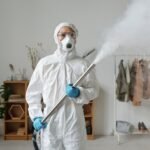
Appropriate personal protective equipment is another important part of contamination control. Facilities should clearly define PPE requirements for different areas and activities. A comprehensive resource on cleanroom PPE requirements can help organizations understand the different types of protective equipment commonly used in controlled environments.
Verify Employee Training
Even well-designed procedures are ineffective if employees do not understand or consistently follow them.
During cleanroom audit preparation, review employee training records and confirm that personnel have received appropriate training for their responsibilities.
Training should address areas such as:
- Cleanroom entry and exit procedures
- Gowning requirements
- Hygiene practices
- Cleaning procedures
- Contamination-control principles
- PPE requirements
- Incident and deviation reporting
Regular refresher training can also help ensure that employees remain familiar with current procedures.
Conduct an Internal Mock Audit
One of the most effective ways to strengthen regulatory compliance for cleanrooms is to conduct an internal mock audit before the formal inspection.
An internal auditor or quality team can review the facility using a structured checklist and ask employees questions about their daily responsibilities.
This can reveal issues such as:
- Employees following procedures differently from written SOPs
- Missing or incomplete records
- Outdated documentation
- Unclear responsibilities
- Inconsistent cleaning practices
- Unresolved corrective actions
Identified gaps can then be prioritized and addressed before the formal audit.
Prepare Documentation in Advance
Auditors may request records during an inspection. Having documentation organized and easily accessible can make the process more efficient.
Depending on the facility, documentation may include:
- Standard operating procedures
- Environmental monitoring records
- Cleaning logs
- Employee training records
- Equipment maintenance records
- Calibration certificates
- Deviation reports
- CAPA records
- Previous audit findings
- Qualification and validation documents
Organizations should also verify that the documents available to employees are the current approved versions.
Strengthen Your Contamination-Control Strategy
Audit preparation should also include a broader review of the facility’s contamination-control strategy.
Teams should consider whether procedures effectively address personnel movement, material transfer, cleaning, environmental monitoring, gowning, and other potential contamination sources.
A broader overview of cleanroom contamination control can provide additional insight into the practices organizations can use to minimize contamination risks in controlled environments.
Focus on Continuous Compliance
One common mistake is treating audit preparation as a short-term activity that begins a few weeks before an inspection.
Effective cleanroom compliance should instead be part of everyday operations. Regular internal audits, employee training, environmental monitoring, documentation reviews, equipment maintenance, and corrective actions can help facilities remain audit-ready throughout the year.
This approach also reduces the pressure associated with formal inspections because teams are not trying to reconstruct records or correct long-standing issues at the last minute.
Conclusion
Preparing for a cleanroom regulatory audit requires more than reviewing documents immediately before an inspection. Organizations need to evaluate environmental controls, cleaning procedures, personnel practices, PPE requirements, equipment, training, documentation, and contamination-control processes as an integrated system.
Using a structured cleanroom audit checklist, conducting internal mock audits, reviewing environmental trends, and addressing gaps early can help organizations strengthen their overall compliance program.
Most importantly, audit readiness should be an ongoing process. When cleanroom compliance becomes part of everyday operations, organizations are better positioned to demonstrate control, consistency, and commitment to quality.
For cleanroom PPE, contamination-control products, and protective solutions, visit Klaritex.
READ ALSO: SAI CHE Detail Co. Highlights Wheel and Tire Cleaner Benefits for Ontario’s Road Salt Season