

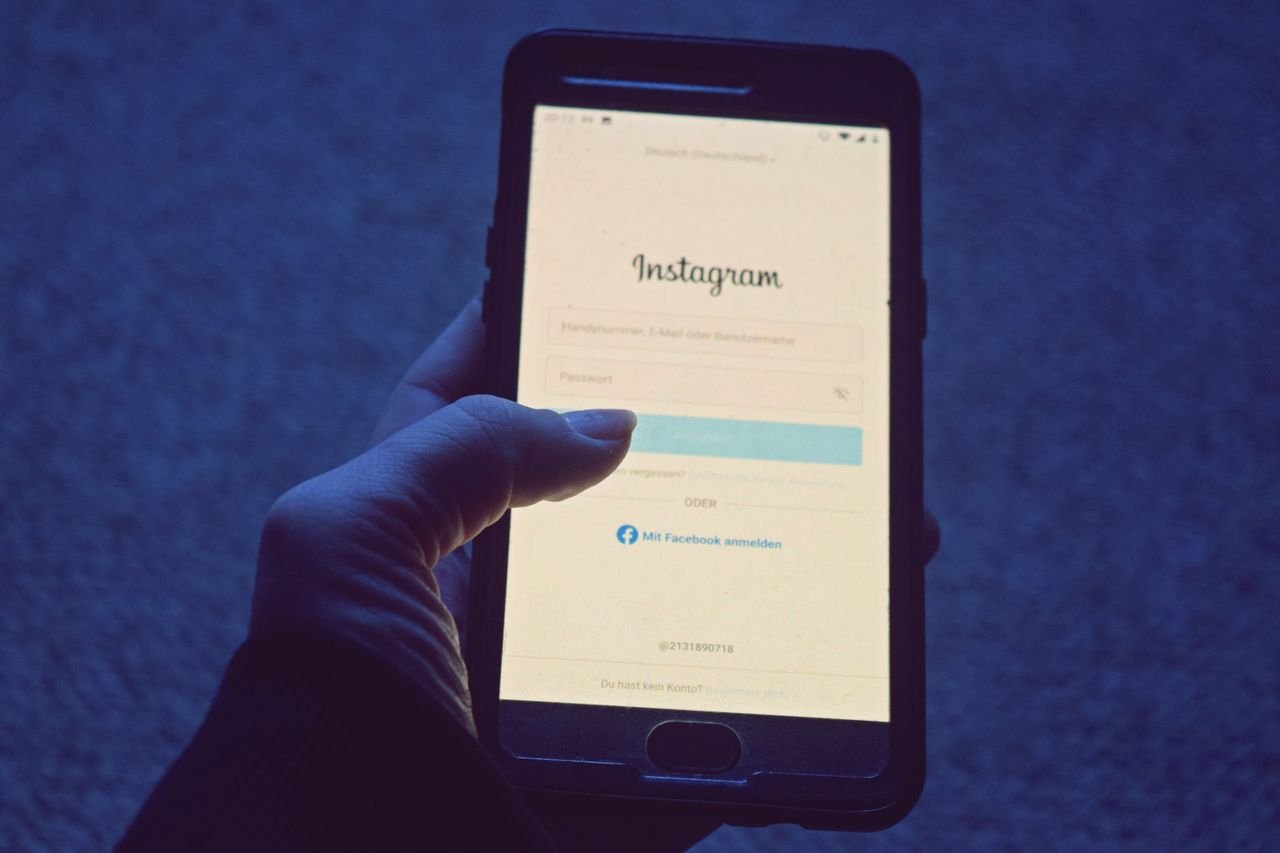
You’ve tried everything. You’ve clicked “Forgot password” more times than you can count, submitted the video selfie twice, and checked your inbox for a message that never came. Every attempt ends the same way: an automated reply saying Instagram will review your request. Meanwhile, the account you built over years, with its photos, customers, and brand identity, sits out of reach, and every day it’s gone costs you.
If this is where you are, the problem is probably not that you’re doing recovery wrong. It’s that repeating the same approach won’t produce a different result. When self-service options run out, the next step is a different strategy.
Why Recovery Fails
Most failed recoveries come down to a few causes. A hacker may have changed the email address or phone number tied to your account, so every reset link goes to someone else. Identity verification may have failed because of lighting, a changed appearance, or a mismatch with your old photos. Your account may have been flagged or disabled for a policy violation, which follows a different process from a simple lockout. Or repeated submissions with inconsistent details may have muddied your case history.
That last point matters. Instagram’s recovery system is largely automated, and it evaluates patterns. Filing request after request with slightly different information can trigger more flags rather than fewer. Most people never learn how their case is being judged, which is why persistence alone rarely works.
Rule Out What You Can Do Yourself
Before looking for outside help, make sure you’ve exhausted the free options. This is worth doing carefully, because it also builds the evidence file any professional will ask for.
- Check every email address you’ve ever linked, including spam folders and your original sign-up email.
- Use the “Need more help?” option in the login flow, and review the Accounts Center.
- Try requesting a login link from a device and network you’ve used before.
- Look into Meta Verified support if you’re eligible.
- Gather proof of ownership: the original email, linked phone number, old screenshots, and any ad-spend or subscription receipts.
If none of this works, you’ve at least documented a thorough effort, and that documentation matters.
What Legitimate Professional Help Looks Like
Real help exists, but it looks different from what the scammers advertise. Start with what no one can do: nobody can guarantee Instagram account recovery, and nobody can bypass Meta’s systems. Anyone claiming a back door is lying.
What legitimate professionals can do is add structure and expertise:
- Social media or digital-forensics consultants organize your case, document ownership, and know which escalation channels actually exist.
- Cybersecurity professionals investigate how the breach happened and secure your email, devices, and other accounts so it doesn’t happen again.
- Attorneys handle formal notices, impersonation and fraud cases, trademark claims, and coordination with law enforcement when there’s financial harm.
- Meta business contacts, such as an ad account representative or a Meta partner agency, may have escalation paths that individual users don’t.
The value of professional Instagram account recovery help is in the process: a well-documented case, sent through the right channel, handled by someone who has done it before.
The Hidden Costs of Going It Alone
Trying alone feels free, but it often isn’t. The first cost is time: weeks or months of cycling through automated responses while the account sits idle. The second is risk. A compromised account can be used to scam your followers or damage your reputation while you wait. If it’s connected to a Facebook page, ad account, or payment method, those assets may be exposed too.
There’s also evidence of loss. Screenshots, emails, and timestamps that aren’t collected early are hard to reconstruct later, and they’re often what makes a case convincing. And there’s a fourth cost nobody likes to discuss: desperate people are the main target of fake “recovery experts.” The longer you struggle, the more vulnerable you become to someone promising a miracle.
How to Spot Fake Recovery Services
Because this space attracts scammers, learning to recognize them is part of your protection. Walk away from anyone who guarantees results, claims to have “inside contacts at Meta,” asks for payment in crypto or gift cards, requests your password, or approaches you through DMs or comments.
A legitimate professional explains their process, provides written terms, charges transparently, and never needs your login credentials. Verify reviews independently, ask exactly how they escalate cases, and confirm they have a real business presence you can check.
How to Choose and Prepare
Before hiring anyone, ask direct questions. What’s your process? What outcomes have you seen in cases like mine? What do you charge if recovery isn’t possible? How will you handle my data?
Then come prepared with your evidence file, a timeline of events, and a list of every linked account. And set realistic expectations. The best outcome is getting your account back. The fallback is a documented case and a secured digital footprint, which is still worth having.
Protect Yourself While You Wait
Don’t leave your audience in the dark. Warn followers and customers through other channels so they don’t fall for scam messages sent from your account. Secure your email first, since it’s the key to everything else, and enable authenticator-app two-factor authentication on every account you own. Report the compromised or impersonating account through every available channel.
Plan B: If the Account Is Truly Gone
Sometimes the account doesn’t come back. If that happens, start a new one with a clean security setup and announce the transition across your other channels. Reclaim your brand elsewhere: secure matching usernames, build a website, and start an email list.
The hard lesson is to own your audience outside any single platform. A newsletter or website can’t be locked by an automated system.
A failed recovery isn’t the end of the road, but doing the same thing again and expecting a different outcome won’t get you through it. The right professional brings structure, evidence, and the correct escalation routes. The wrong one brings a second loss on top of the first.
If you’ve reached the point where the standard options have run out, consider a free case review or consultation. A trustworthy provider will tell you honestly what’s possible, what isn’t, and what the next step should be, and that honesty is the best sign you’re in the right hands.
READ ALSO: From Viral Clip to Creative Reference: How to Download Instagram Video With Grabfy


