

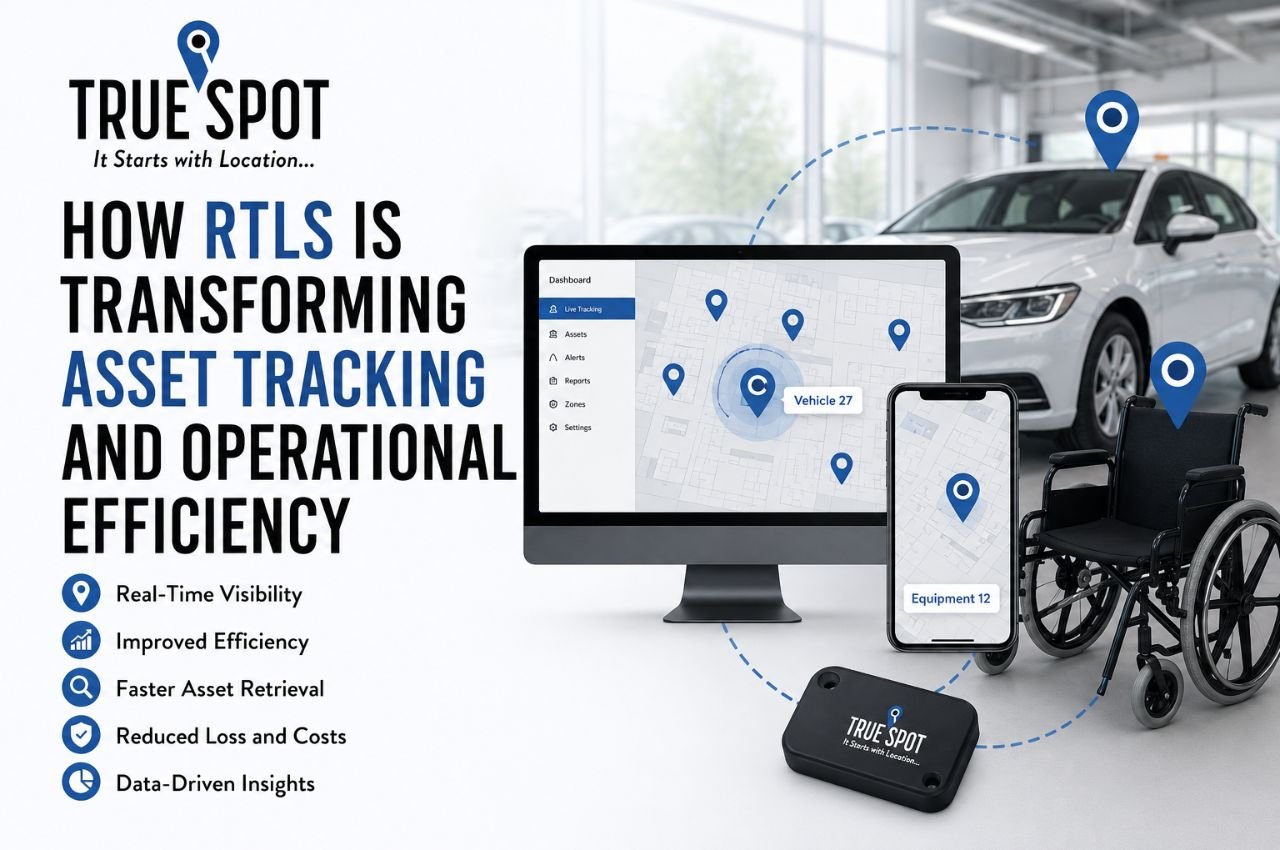
In industries where every minute matters, knowing the exact location of important assets can make a significant difference. Modern businesses are turning to RTLS solutions to gain real-time visibility into equipment, vehicles, tools, and other valuable resources. By providing accurate location data and actionable insights, RTLS technology helps organizations improve productivity, reduce search times, and make better operational decisions.
Understanding RTLS Technology
RTLS stands for Real-Time Location System. It is a technology designed to identify and track the location of assets or objects within a specific area. Unlike traditional inventory systems that rely on manual updates, RTLS continuously provides location information in real time.
Organizations use RTLS to monitor:
- Vehicles
- Equipment
- Keys
- Medical devices
- Inventory
- Mobile assets
The ability to instantly locate important items helps businesses save time and reduce operational challenges.
Why Businesses Need RTLS
Many organizations face common issues related to misplaced assets, inefficient workflows, and wasted labor hours. Employees often spend valuable time searching for equipment or verifying asset locations.
RTLS addresses these challenges by providing:
- Real-time visibility
- Improved asset utilization
- Faster retrieval of resources
- Reduced operational delays
- Better decision-making
With accurate location intelligence, teams can focus on productive tasks instead of spending time looking for missing assets.
How RTLS Works
RTLS systems use a combination of tags, sensors, and software platforms to track assets. A tag is attached to the item being monitored, while sensors placed throughout a facility detect the tag’s location.
The collected information is displayed through dashboards or mobile applications, allowing users to view asset locations instantly.
A typical RTLS system includes:
Asset Tags
Tags are attached to vehicles, equipment, keys, or other assets that need tracking.
Location Sensors
Sensors are installed throughout the facility to detect tagged assets.
Tracking Software
The software processes location data and displays it through easy-to-use dashboards and reports.
Mobile Access
Many RTLS platforms provide mobile applications that allow users to locate assets from anywhere within the organization.
RTLS in Automotive Dealerships
Automotive dealerships manage large inventories of vehicles spread across extensive lots. Finding a specific vehicle quickly can be challenging without an effective tracking system.
RTLS technology helps dealerships:
- Locate vehicles instantly
- Reduce search times
- Improve inventory management
- Enhance customer service
- Streamline vehicle delivery processes
When a customer requests a specific vehicle, staff can identify its exact location within seconds. This creates a smoother experience and helps improve overall dealership efficiency.
Better Vehicle Visibility
Vehicle movement across dealership lots can create confusion. RTLS provides continuous visibility, helping staff know exactly where each vehicle is located.
Faster Key Management
Misplaced keys can cause delays and frustration. RTLS systems can track both vehicles and keys, making retrieval much faster.
RTLS in Healthcare Facilities
Healthcare organizations depend on the availability of critical equipment. Delays in locating devices can impact workflow efficiency and create unnecessary stress for staff.
RTLS supports healthcare operations by tracking:
- Wheelchairs
- Infusion pumps
- Diagnostic equipment
- Medical carts
- Portable devices
Real-time tracking ensures equipment is available when needed and helps reduce time spent searching for resources.
Improved Equipment Utilization
Hospitals often purchase additional equipment because existing assets cannot be located quickly. RTLS helps maximize the use of available resources by providing accurate location information.
Reduced Asset Loss
Healthcare facilities manage thousands of movable assets. RTLS helps reduce losses by continuously monitoring equipment locations.
Key Benefits of RTLS
Organizations across various industries are adopting RTLS because of its measurable advantages.
Increased Productivity
Employees spend less time searching for equipment and more time performing important tasks.
Enhanced Operational Efficiency
Real-time visibility allows organizations to streamline workflows and eliminate unnecessary delays.
Better Customer Experiences
Faster access to assets leads to quicker service and improved customer satisfaction.
Data-Driven Insights
RTLS platforms generate valuable analytics that help organizations identify trends and optimize operations.
Reduced Costs
By improving asset utilization and reducing losses, RTLS can help lower operational expenses over time.
Features to Look for in an RTLS Solution
Not all tracking systems offer the same capabilities. Businesses should evaluate several important features before selecting an RTLS platform.
Real-Time Visibility
The system should provide accurate and up-to-date location information.
User-Friendly Dashboard
Simple dashboards make it easier for staff to access and interpret location data.
Mobile Accessibility
Mobile applications allow users to locate assets from anywhere within the facility.
Reporting and Analytics
Comprehensive reporting helps organizations identify performance improvements and operational opportunities.
Scalability
The RTLS solution should be capable of growing alongside the organization.
The Future of RTLS
As businesses continue to prioritize efficiency and visibility, RTLS technology is becoming an essential operational tool. Advancements in location intelligence, mobile connectivity, and data analytics are making tracking systems more accurate and accessible than ever before.
Organizations that embrace RTLS gain the ability to monitor valuable assets in real time, improve resource management, and create more efficient workflows. Whether managing vehicles across a dealership lot or tracking medical equipment inside a healthcare facility, RTLS continues to reshape how organizations understand and manage their assets, turning location data into a practical advantage that supports daily operations and long-term growth.