

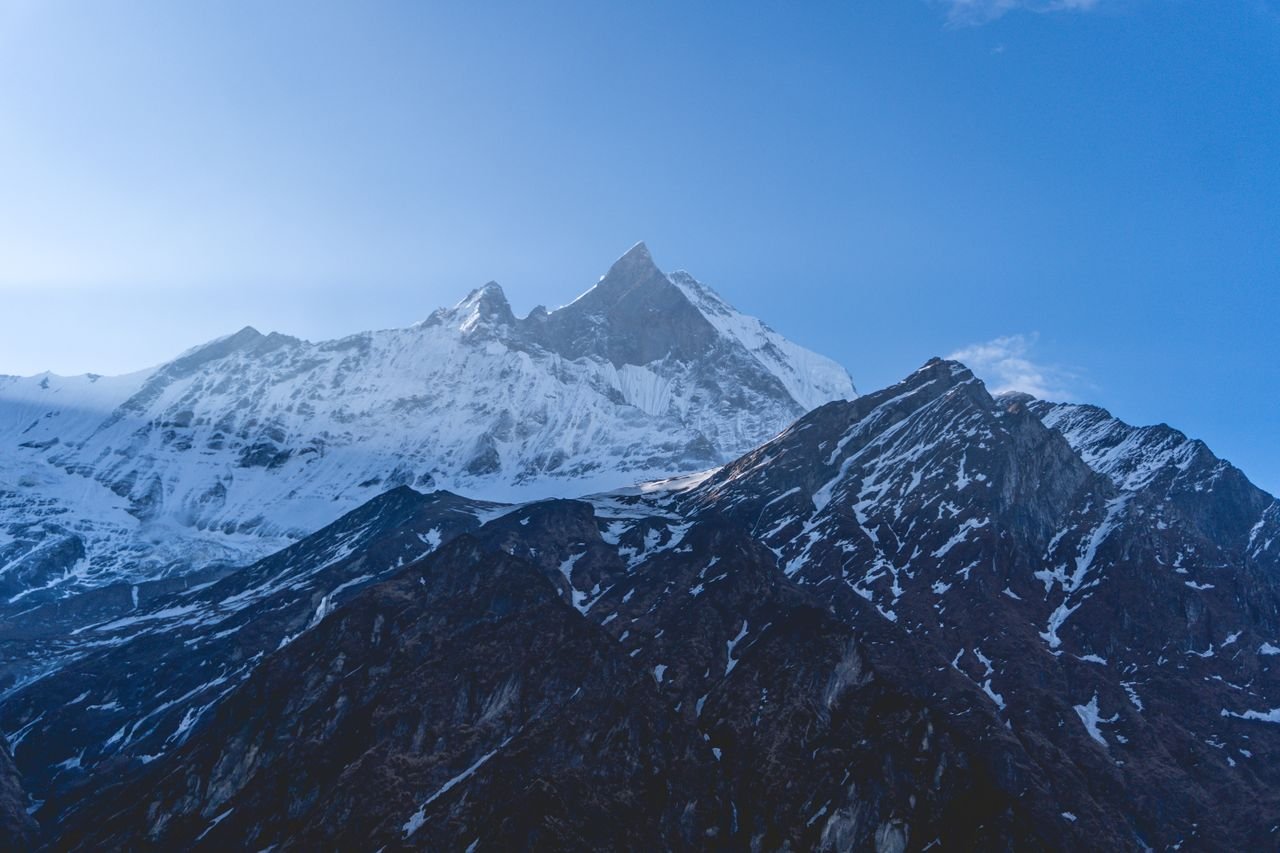
Annapurna trekking is one of the most rewarding ways to explore the diverse landscapes and cultures of the Nepal Himalayas. The Annapurna region offers a wide variety of trekking experiences, from relatively short journeys through green hills and traditional villages to longer adventures that reach high-altitude valleys and mountain passes. Trekkers can experience spectacular views of Annapurna, Dhaulagiri, Machhapuchhre, Manaslu, and other Himalayan peaks while traveling through forests, terraced farmland, river valleys, alpine meadows, and rugged mountain landscapes. The region is also known for its rich cultural diversity, with Hindu and Buddhist communities living along different sections of the trails. This combination of scenery, culture, and adventure makes Annapurna trekking suitable for travelers with different levels of experience and time available.
Annapurna Trekking Routes
Annapurna trekking includes several well-known routes, each offering a distinct experience. The Annapurna Base Camp route leads trekkers through traditional villages and forested valleys before reaching the spectacular mountain sanctuary at approximately 4,130 meters. The Annapurna Circuit provides a longer journey around the Annapurna massif and includes the challenging crossing of Thorong La Pass at approximately 5,416 meters. Shorter routes such as the Ghorepani Poon Hill Trek are popular among travelers who want to experience Himalayan scenery without spending as many days at high altitude. Other routes explore areas around Mardi Himal and the surrounding foothills. The variety of trails allows travelers to select an itinerary based on their fitness, schedule, and interest in scenery, culture, or high-altitude trekking.
Annapurna Trekking Altitude
Altitude varies considerably across the Annapurna trekking region. Lower trails generally pass through warmer valleys and green landscapes, while higher routes gradually enter colder and more rugged environments. Annapurna Base Camp is situated at around 4,130 meters, while the highest point on the Annapurna Circuit is Thorong La Pass at approximately 5,416 meters. The changing altitude requires trekkers to pay attention to the pace of ascent, especially on routes that reach higher elevations. Spending enough time acclimatizing, drinking adequate water, eating regular meals, and getting sufficient rest can help the body adjust to the thinner air. Trekkers should also be aware that altitude-related symptoms can occur even in people who are physically fit, making gradual ascent an important part of responsible trekking.
Annapurna Trekking Difficulty
The difficulty of Annapurna trekking depends largely on the route and itinerary selected. Some shorter routes are suitable for beginners with reasonable fitness, while longer routes involving high passes require greater endurance and preparation. The Annapurna Base Camp Trek includes steep climbs, stone steps, and several hours of walking on many days, while the Annapurna Circuit adds the challenge of crossing Thorong La Pass. Despite these physical demands, most Annapurna trekking routes do not require technical climbing skills. Regular hiking, walking, stair climbing, and cardiovascular exercise before the trip can help trekkers prepare for long days on the trail. Maintaining a steady pace and allowing enough time for rest are particularly important when trekking at higher elevations.
Best Time for Annapurna Trekking
Spring and autumn are generally considered the best seasons for Annapurna trekking because weather conditions are often more stable and mountain visibility is usually favorable. Spring, from March to May, brings warmer temperatures and blooming vegetation along the lower sections of the trails. Rhododendron forests can be especially attractive during this period. Autumn, from September to November, is another popular season because the monsoon has generally ended, resulting in clearer skies and impressive mountain views. Winter trekking is possible on many lower routes but can bring cold temperatures and snowfall at higher elevations. The monsoon season from June to August brings more rainfall, wet trails, clouds, and potential landslides in some areas, although certain parts of the Annapurna region lie in rain-shadow areas and can still be explored during this period.
Accommodation During Annapurna Trekking
Accommodation on Annapurna trekking routes is mainly provided by teahouses, lodges, guesthouses, and small locally operated hotels. These accommodations generally offer simple rooms, beds, blankets, and dining areas for trekkers. Facilities vary according to location and elevation, with more basic services generally available in remote and higher settlements. Many teahouses have communal dining rooms where travelers can rest after a day of walking and interact with other trekkers. Lower and more developed villages may offer additional facilities such as private bathrooms, internet access, and charging services, while higher locations tend to have fewer amenities. Staying in local lodges also provides trekkers with an opportunity to support communities along the trekking routes.
Food and Water on Annapurna Trails
Food is widely available along the major Annapurna trekking routes, making it relatively convenient for travelers to maintain their energy throughout the journey. Dal bhat is one of the most common meals and provides a filling combination of rice, lentils, vegetables, and side dishes. Trekkers can also find noodles, pasta, fried rice, soups, momos, potatoes, eggs, porridge, and various snacks. As the trail climbs higher, food choices may become more limited, but basic meals remain available in established settlements. Hydration is equally important, particularly during long walking days and at higher elevations. Trekkers should carry reusable water bottles and use reliable drinking-water sources or appropriate purification methods. Eating sufficiently and drinking regularly can help maintain energy and support the body’s adjustment to changing elevations.
Annapurna Trekking Packing Essentials
Packing properly is important because Annapurna trekking routes pass through environments with significant changes in temperature and weather. Trekkers should carry comfortable and durable trekking boots, warm layers, thermal clothing, a fleece jacket, waterproof outerwear, gloves, and a warm hat. Sunglasses and sunscreen are useful because exposure to sunlight can become stronger at higher elevations. A sleeping bag may also be helpful on longer or higher-altitude routes, particularly during colder seasons. Other useful equipment includes trekking poles, a headlamp, water bottles, personal first-aid supplies, toiletries, power bank, snacks, rain protection, and important travel documents. Keeping the backpack as light as possible can make steep climbs and long walking days considerably more comfortable.
Acclimatization for Annapurna Trekking
Acclimatization is especially important on trekking routes that reach higher elevations. A gradual itinerary gives the body enough time to adapt as the altitude increases and reduces the risk associated with ascending too quickly. On the Annapurna Circuit, Manang is commonly used as an acclimatization stop before the route continues toward the higher areas and Thorong La Pass. Annapurna Base Camp itineraries also gain altitude progressively through several villages, allowing trekkers to adjust along the way. Short hikes during acclimatization days can provide useful activity while allowing trekkers to return to sleep at the same elevation. Severe headache, dizziness, nausea, unusual weakness, or breathing difficulties should be taken seriously, and trekkers should avoid gaining more altitude if symptoms are getting worse.
Mountain Views and Natural Landscapes
The mountain scenery is one of the defining features of Annapurna trekking. Depending on the chosen route, trekkers can enjoy views of Annapurna I, Annapurna II, Annapurna III, Annapurna IV, Machhapuchhre, Dhaulagiri, Hiunchuli, Nilgiri, and other surrounding peaks. The landscape changes dramatically throughout the journey, beginning with green hills, terraced fields, and dense forests before transitioning into alpine meadows, rocky valleys, and high mountain terrain. Poon Hill is particularly famous for its sunrise views across the Annapurna and Dhaulagiri ranges, while Annapurna Base Camp provides a dramatic panorama surrounded by towering peaks. The Annapurna Circuit offers perhaps the greatest variety, with landscapes changing from humid valleys to dry and rugged areas beyond the main Himalayan passes.
Culture and Local Communities
Annapurna trekking also provides a valuable opportunity to experience the cultural diversity of Nepal. Different ethnic communities live along the trails, and the cultural character of the region changes as trekkers move between lower hills and higher mountain settlements. Traditional villages, terraced farms, monasteries, prayer wheels, chortens, mani walls, and colorful prayer flags are common sights along many routes. Ghandruk is one of the region’s well-known villages and offers traditional architecture and impressive mountain views. On the Annapurna Circuit, Muktinath is an important religious destination with significance for both Hindu and Buddhist pilgrims. Respecting local traditions, religious sites, customs, and community practices helps create a more responsible and meaningful trekking experience.
Annapurna Trekking Permits and Guides
The permits required for Annapurna trekking depend on the route being followed and the regulations currently in effect. Trekkers should check the latest requirements before starting their journey and make sure that all necessary documentation is arranged. Many travelers choose to trek with a guide because guides can assist with navigation, accommodation, communication, local knowledge, and general logistics. Porters can also be valuable on longer routes because they carry heavier luggage and allow trekkers to walk with lighter daypacks. While established trails may be relatively easy to follow in many areas, professional support can provide additional convenience and confidence, especially for first-time trekkers or those traveling on longer and more demanding routes.
Annapurna Trekking Cost
The cost of Annapurna trekking varies according to the chosen route, number of trekking days, transportation, accommodation, food, permits, guide and porter services, equipment, and personal expenses. Shorter treks generally require a smaller budget, while longer routes involve additional days of accommodation, meals, transportation, and support services. Travelers can choose different levels of comfort depending on their preferences and budget. Additional expenses may include hot showers, charging electronic devices, snacks, local transportation, and optional activities. Travel insurance that covers trekking and emergency evacuation is also an important consideration, particularly for itineraries reaching high elevations. Preparing a realistic budget before departure helps trekkers manage expenses throughout the journey.
Responsible Annapurna Trekking
Responsible trekking is important for protecting the natural and cultural environment of the Annapurna region. Trekkers should avoid leaving plastic, food packaging, and other waste along the trails and should use designated waste facilities whenever possible. Respecting local communities and religious sites is equally important, especially when visiting monasteries, temples, villages, and other culturally significant places. Travelers can support local economies by staying in locally operated accommodations, eating at local establishments, and hiring local guides and porters. Reducing unnecessary plastic use and conserving water and energy can also help minimize the environmental impact of tourism. Responsible behavior ensures that the region remains attractive and sustainable for both local communities and future visitors.
Why Choose Annapurna Trekking?
Annapurna trekking stands out because it offers remarkable variety within a relatively accessible Himalayan region. Travelers can choose short foothill hikes, moderate village-to-village journeys, high-altitude base camp adventures, or demanding circuits involving mountain passes. The combination of spectacular peaks, changing landscapes, traditional settlements, and cultural diversity creates an experience that is much broader than simply walking through the mountains. Each day can bring a different environment, from forests and waterfalls to alpine valleys and panoramic viewpoints. The well-established trekking infrastructure along many routes also makes the Annapurna region suitable for a wide range of travelers. For those seeking a balance between adventure, scenery, and cultural exploration, Annapurna trekking is an excellent choice.
Conclusion
Annapurna trekking offers an unforgettable opportunity to explore the diverse landscapes, cultures, and mountain environments of Nepal. Whether travelers choose Annapurna Base Camp, the Annapurna Circuit, Poon Hill, Mardi Himal, or another route, the journey provides spectacular Himalayan scenery and memorable encounters with local communities. Proper preparation, suitable equipment, gradual acclimatization, and a carefully planned itinerary are important for making the experience comfortable and enjoyable. The combination of dramatic mountain views, traditional villages, varied landscapes, and different trekking options makes the Annapurna region one of Nepal’s most rewarding destinations. With responsible travel practices and respect for the mountain environment, Annapurna trekking can provide a meaningful Himalayan adventure that remains memorable long after the journey ends.