

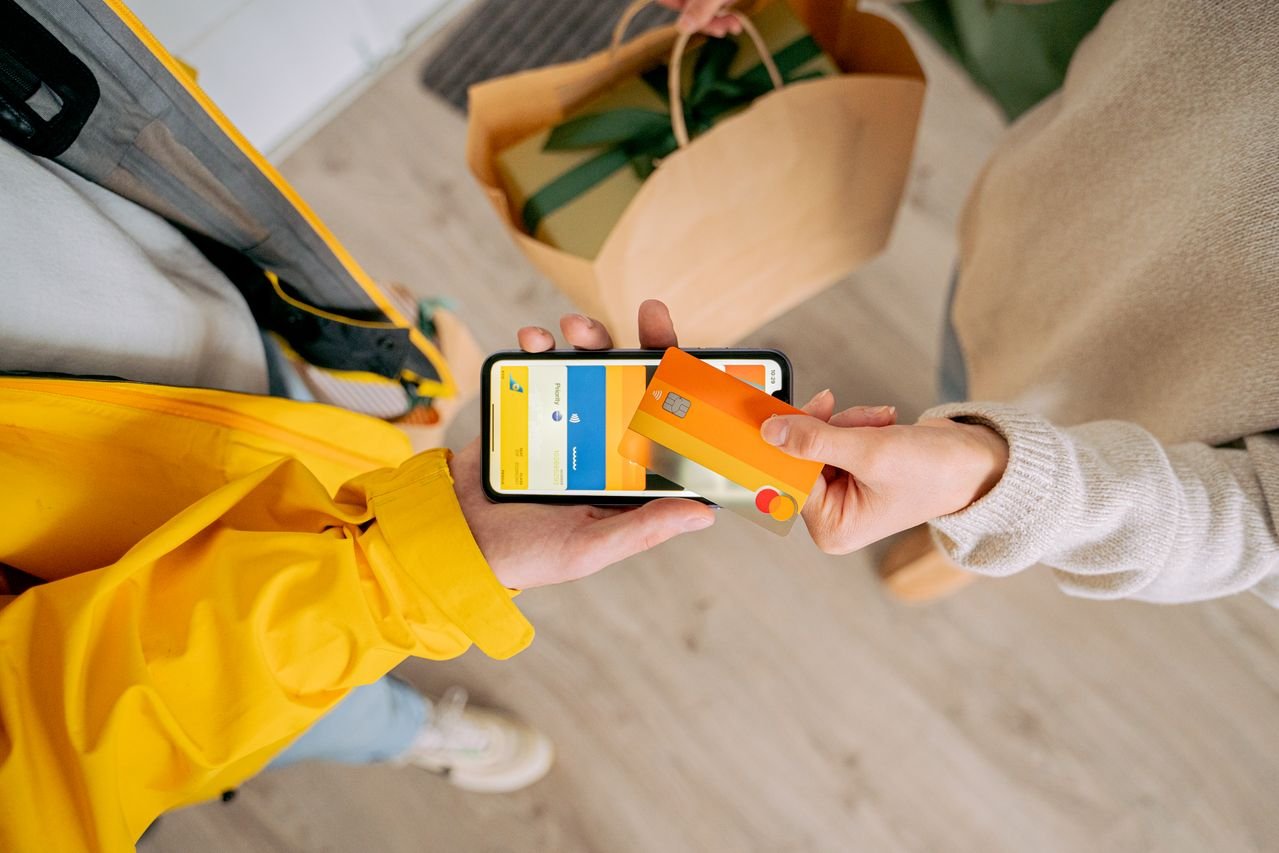
Canadians can shop online more privately by using a separate email address for shopping, blocking trackers in their browser, skipping account creation where possible, choosing private checkout options and having parcels delivered to pickup points. These five steps reduce how much personal data online stores collect and share.
Online shopping keeps growing across Canada, and so does the amount of data retailers collect about what we buy and where we live. Here are five easy ways to keep more of that information to yourself in 2026.
1. Use a separate shopping email
A dedicated shopping inbox keeps order confirmations and marketing emails away from your personal and work email. Email alias services go further by giving each store its own forwarding address, so you can see who shares your address and switch it off with one click.
2. Block trackers in your browser
Most online stores load tracking scripts that follow you across the web. Turn on strict tracking protection in your browser, install a trusted content blocker and choose “reject all” on cookie banners when you can. Under Canada’s privacy rules, organisations should only collect personal information for clear purposes, so you have every right to say no to extra tracking.
3. Skip the account when you can
Creating an account means the store keeps your details for years. For one-off purchases, choose guest checkout. If you do create an account, use a unique password saved in a password manager and turn on two-factor authentication.
4. Choose private checkout options
How you pay affects how much a store learns about you. Prepaid cards, virtual card numbers and digital wallets can keep your main card details away from merchants. Some Canadian shoppers also use Monero, a digital currency designed for private transactions, with online businesses that accept it. XMRList keeps a directory of these businesses, from VPNs and hosting to everyday shops, if you want to see what is available.
5. Use pickup points for deliveries
Your home address is one of the most sensitive details you share. Parcel lockers and pickup points at local stores and post offices keep it private and reduce the risk of stolen parcels from your porch. Shred delivery labels before recycling boxes.
Watch out for fake online stores
Privacy and safety go together. Before buying from an unfamiliar store, check for a Canadian address and phone number, read independent reviews and be cautious with prices far below other retailers. Fake stores often collect personal details as well as payments.
Frequently asked questions
Does private browsing protect my privacy while shopping?
Only partly. It clears cookies and history when you close the window, but stores and your internet provider can still see what you do.
Can I ask a Canadian company what data it holds about me?
Yes. Under federal privacy law, you can request access to the personal information an organisation holds about you.
Final thoughts
You do not have to give up the convenience of online shopping to protect your privacy. A separate email, fewer trackers, guest checkout, private checkout options and pickup points go a long way.
READ ALSO: Best AI Video Generator: What Should You Look for Before Choosing a Tool?