

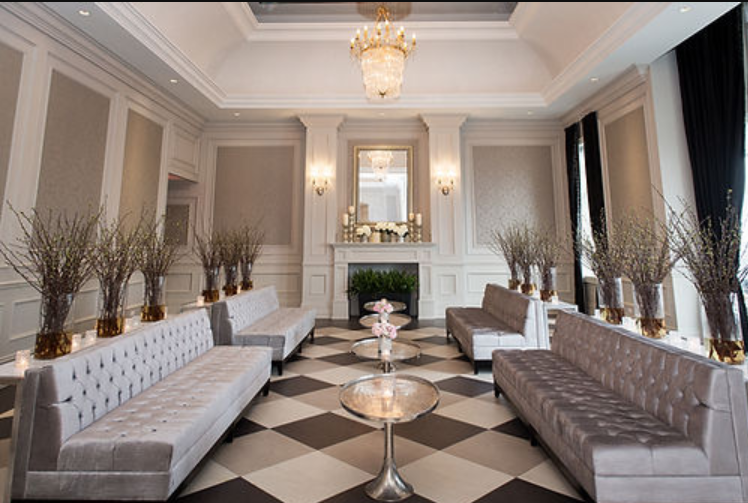
In an age of hybrid meetings, digital fatigue, and rising client expectations, the physical experience of an event has never carried more weight. As event planners, we obsess over logistics — catering timelines, AV setups, seating arrangements. But ask any attendee what made an event truly unforgettable, and they rarely mention the menu. They talk about how the room made them feel. That feeling is atmosphere. And in today’s event landscape, it is no longer a luxury — it is the differentiator.
The Emotional Architecture of a Venue
Every venue communicates before a single guest arrives. The moment someone walks through the door, their brain begins processing spatial cues — ceiling height, ambient light, acoustic texture, scent, and visual flow. These cues prime emotional states. A grand, warmly lit ballroom signals celebration and prestige. An intimate, candlelit loft signals connection and exclusivity. A bright, open industrial space signals creativity and energy.
Neuroscience research consistently shows that environment shapes behavior and memory encoding. Attendees who feel emotionally engaged in a space are more likely to retain information, form positive associations with the brand or host, and report higher overall satisfaction. For event professionals, this means venue selection is not just a logistical decision — it is a strategic one with measurable emotional and business consequences.
Lighting and Décor: The Tools of Emotional Control
Among all atmospheric elements, lighting is arguably the most powerful and most underutilized. The difference between flat overhead fluorescents and warm directional lighting is the difference between a conference room and an experience. Skilled event planners know that lighting should be choreographed — not set and forgotten. Dynamic lighting that shifts from bright and focused during presentations to warm and ambient during networking signals guests on how to feel and behave throughout the event arc.
Practical considerations for lighting and décor:
- Layer light sources — combine ambient, accent, and task lighting for depth and visual interest.
- Use color temperature intentionally — warm whites (2700K–3000K) for social events, neutral whites (4000K) for corporate functions.
- Décor should reinforce the event’s narrative, not just fill empty space. Every visual element is a touchpoint.
- Incorporate living elements — greenery, florals, and natural textures consistently elevate perceived venue quality.
Emotional Experience as the New ROI
Clients increasingly understand that events are investments, and they want returns — in brand equity, employee engagement, client relationships, and lead generation. The good news for planners who prioritize atmosphere is that emotional experience directly correlates with these outcomes.
Consider corporate events: studies on employee experience consistently find that the physical environment of a company gathering has a direct impact on how staff perceive organizational culture. An annual conference held in a stunning, thoughtfully designed venue sends a message — that leadership values the team, that quality matters, that belonging is taken seriously. That intangible message has very tangible effects on retention and morale.
For client-facing events, the stakes are even higher. A product launch, a gala, or a VIP dinner held in a premier banquet hall with exceptional atmosphere communicates brand values more effectively than any marketing copy. Guests become brand advocates not because they were told to, but because they experienced something worth talking about. In an era where social sharing is currency, atmosphere literally generates marketing value.
The Post-Pandemic Imperative
The pandemic fundamentally recalibrated what in-person events must deliver. After years of virtual meetings and digital-only interaction, attendees now arrive at live events with a far higher threshold for what constitutes a worthwhile experience. The bar has moved. Showing up is no longer enough — the environment itself must justify the effort of being there.
This shift places greater responsibility on event planners to treat venue atmosphere as a core deliverable, not an afterthought. Clients who were once satisfied with a clean, functional space now expect intentional design. They want venues that feel alive, that have personality, that generate the kind of sensory richness a Zoom call simply cannot replicate. Meeting this expectation is both a challenge and a significant competitive opportunity for planners who understand how to deliver it.
Selecting the Right Venue: A Framework for Planners
When evaluating venues for atmospheric potential, move beyond checklists of capacity and catering. Instead, assess through the lens of experience design:
- First impression: What does the arrival sequence feel like? The entrance sets the emotional tone before a single program element begins.
- Spatial flow: Does the layout naturally guide guests through the intended experience journey — arrival, engagement, climax, departure?
- Lighting flexibility: Can the venue’s lighting be fully controlled and customized, or are you locked into fixed overhead systems?
- Acoustic character: Is the ambient sound appropriate for your event type? Echoing ceilings are energizing for cocktail hours but disastrous for keynotes.
- Visual neutrality vs. character: Determine whether your client needs a blank canvas to brand heavily, or whether the venue’s inherent character aligns with their event narrative.
Atmosphere Is the Event
The most expertly planned event can be undermined by the wrong atmosphere, while a relatively simple program can become extraordinary in the right space. As event professionals, we are ultimately in the business of creating experiences that live in memory long after the last guest departs. That requires us to think of venue atmosphere not as a backdrop, but as the very medium through which the event communicates.
Clients hire planners who understand this distinction. They pay a premium for professionals who can walk into a space and envision not just what it can hold, but what it can make people feel. In a competitive industry where the intangible is often the most valuable deliverable, atmosphere is your most powerful tool. Use it with intention.
READ ALSO: Discovering the Art of Home Fragrance: Why Your Space Deserves a Signature Scent