

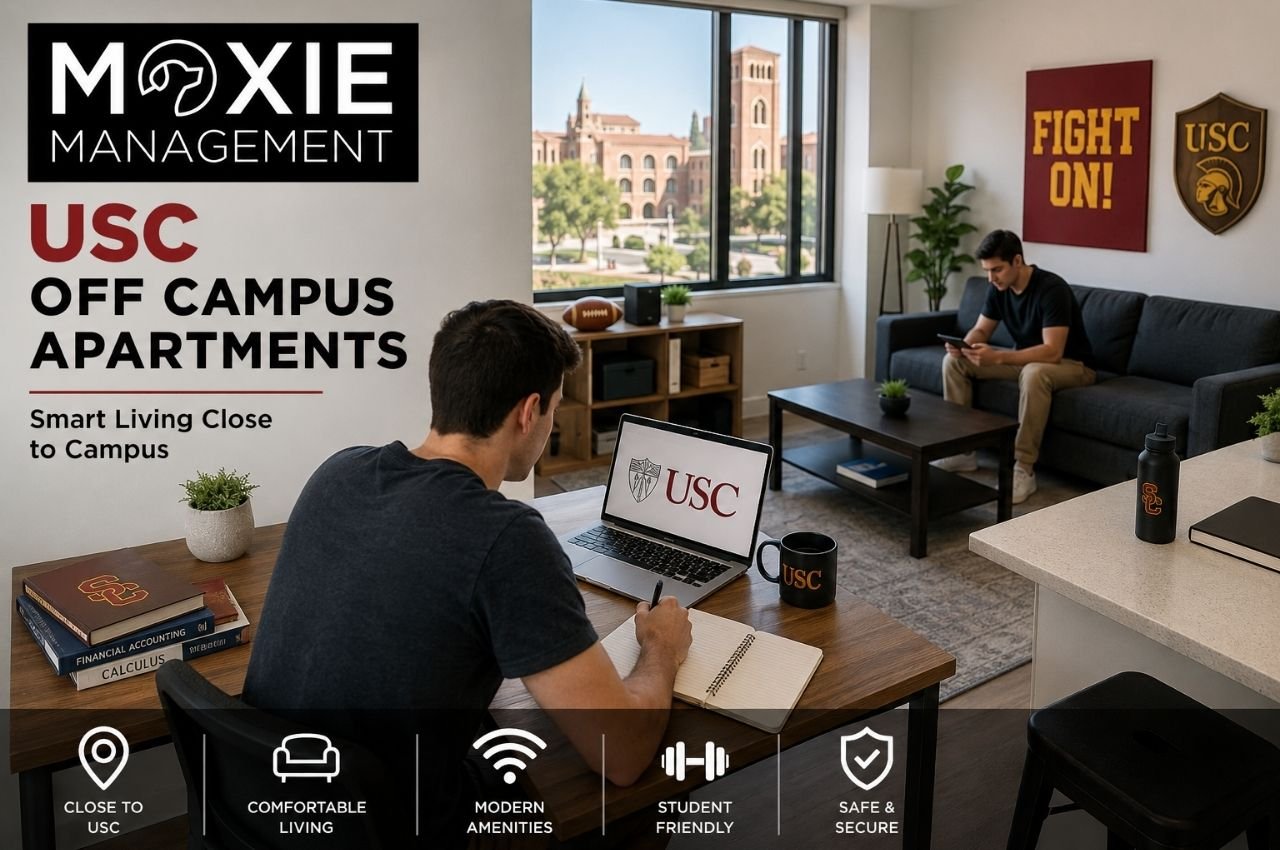
Finding a comfortable place to live near the University of Southern California can make student life much easier. For students who want more independence than a traditional dorm, USC Off Campus Apartments can be a practical option to explore. The right apartment can provide a quiet place to study, enough personal space, and convenient access to campus, shops, restaurants, and public transportation. With so many housing choices available, knowing what to look for before signing a lease can save both time and unnecessary stress.
Why Students Choose Off Campus Housing
Living off campus gives students more control over their daily routines. Instead of following the layout and rules of a residence hall, apartment living allows students to choose a space that fits their personal needs.
Some students prefer having a private bedroom, while others look for shared apartments that help keep monthly expenses manageable. An apartment may also offer a kitchen, living room, laundry facilities, and other features that are useful during a busy semester.
Location is another major benefit. Choosing housing close to USC can reduce the time spent traveling to classes. A shorter commute can leave more time for studying, campus activities, part-time work, and relaxation.
What to Look for in USC Off Campus Apartments
Not every apartment will offer the same experience. Before choosing a property, students should consider several practical factors.
Location
Start by checking the apartment’s distance from campus. A location that looks close on a map may feel different when walking to class every day. Look at nearby streets, transportation options, grocery stores, and places where you regularly expect to spend time.
A convenient location can make a significant difference during busy weeks when classes, assignments, and other responsibilities fill the schedule.
Apartment Size
Think about how much space you actually need. A private studio may provide more privacy, while a shared apartment can offer more living space at a lower individual cost.
Students sharing an apartment should also consider the bedroom arrangement. Having clearly defined personal space can make shared living more comfortable.
Amenities
Apartment amenities can affect everyday convenience. Depending on the property, useful features may include:
- In-unit or nearby laundry facilities
- Furnished bedrooms
- Study areas
- Fitness facilities
- Common spaces
- Internet access
- Parking
- Controlled building access
Make a list of the features you genuinely need rather than choosing a property based only on an impressive amenities list.
Consider Your Monthly Budget
Rent is only one part of the total cost of living. Students should also think about utilities, internet, transportation, groceries, parking, and other regular expenses.
Creating a simple monthly budget before apartment hunting can help narrow down realistic options. If you are sharing an apartment, clarify how rent and household expenses will be divided before moving in.
It is also useful to understand the lease terms. Check the length of the lease, payment schedule, security deposit requirements, and any rules related to moving out early.
Think About Your Daily Routine
The best apartment is not necessarily the one with the most features. It should fit your everyday routine.
For example, students who spend many hours studying may want a quiet apartment with a suitable study area. Someone who cooks regularly may place more value on a practical kitchen. Students who do not have a car may prioritize walking distance and public transportation.
Consider what a normal weekday will look like. Think about getting to class in the morning, returning home in the evening, buying groceries, doing laundry, and finding a comfortable place to study.
Living With Roommates
Sharing an apartment can be a good way to manage housing costs, but it requires communication. Before moving in with roommates, discuss expectations about cleaning, guests, shared supplies, noise, and household responsibilities.
It can help to create a simple agreement covering common expenses and chores. Everyone should understand how bills will be handled and what areas of the apartment are shared.
Respect for each person’s schedule also matters. One roommate may have early classes while another studies late at night, so reasonable boundaries can help prevent unnecessary disagreements.
Check the Apartment Before Signing
Never rush through the housing process. If possible, inspect the apartment carefully before making a commitment.
Look at the condition of the rooms, windows, doors, kitchen, bathroom, storage areas, and shared facilities. Check whether appliances appear to be working properly and ask questions about anything that seems unclear.
Students should also read the lease carefully. Keep a copy of the agreement and make sure you understand important terms before signing.
Make a Shortlist Before Deciding
Apartment hunting becomes easier when you compare a few suitable choices instead of focusing on the first property that catches your attention.
Create a shortlist based on:
- Distance from USC
- Monthly housing costs
- Apartment size
- Included amenities
- Lease terms
- Transportation options
- Roommate arrangements
- Overall convenience
This approach makes it easier to see which option provides the best balance between location, comfort, and budget.
Start Your Search Early
Housing near a major university can attract considerable interest, particularly before a new academic year begins. Starting your search early gives you more time to compare apartments and understand different lease options.
Rather than waiting until the last minute, begin by identifying your preferred location, budget, apartment type, and essential amenities. Once those priorities are clear, the search becomes much more manageable.
A good apartment should support your student routine rather than complicate it. Take the time to compare your options, ask the right questions, and choose a place where you can settle in comfortably and focus on making the most of your time at USC.



Pingback: What is accepted as proof of accommodation for Portugal visa?