

PC gaming has become more demanding than ever, with modern games requiring powerful hardware and optimized software to deliver smooth performance. Many gamers experience lag, low frame rates, or compatibility issues without realizing that these problems can often be solved by updating drivers, checking game requirements, and monitoring system performance. Three essential tools and concepts that every gamer should know are Update Drivers, Can I Run It, and FPS Calculator.
Understanding how these work together can help you enjoy a better gaming experience, improve system stability, and maximize your PC’s performance.
Why You Should Update Drivers Regularly
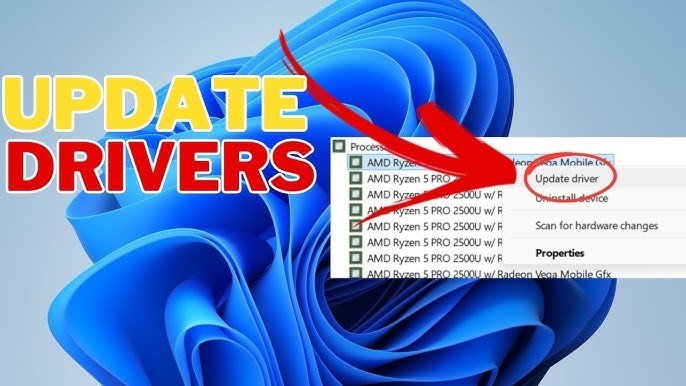
One of the most important maintenance tasks for any PC user is to update drivers. Drivers enable communication between your computer’s hardware components and the operating system, ensuring that devices function properly and efficiently.They allow components such as graphics cards, sound cards, and network adapters to communicate properly with your computer.
When manufacturers release new driver updates, they often include:
- Performance improvements
- Bug fixes
- Security patches
- Better game compatibility
- Support for newly released games
For gamers, updating graphics drivers can significantly improve performance in modern titles. Companies like NVIDIA, AMD, and Intel regularly release optimized drivers specifically designed for new game releases.
Failing to update drivers may result in lower frame rates, graphical glitches, crashes, or reduced hardware performance.
What Is “Can I Run It”?
Before purchasing or downloading a game, many users ask the question: “Can I Run It?”
“Can I Run It” refers to checking whether your PC meets the minimum and recommended system requirements of a game Attempting to run a game on hardware that does not meet its requirements may result in reduced performance, extended loading times, graphical issues, or the game failing to start properly.
A typical compatibility check evaluates:
- Processor (CPU)
- Graphics card (GPU)
- RAM
- Storage space
- Operating system
Using a “Can I Run It” tool helps gamers determine whether their computer is capable of running a specific game before spending money on it.
This simple step can save time and frustration while helping users make informed hardware upgrade decisions.
Understanding FPS Calculator
FPS stands for Frames Per Second. It measures how many images your computer displays each second while playing a game. Higher frame rates result in smoother motion on screen and improved responsiveness, which enhances overall gameplay quality and user experience.
An FPS Calculator helps estimate or analyze gaming performance based on hardware specifications and game settings.
Frame rate levels are commonly categorized as:
- 30 FPS: Playable but less smooth
- 60 FPS: Smooth gaming experience
- 120 FPS and above: Highly responsive gameplay
- 144 FPS and above: Ideal for competitive gaming
Using an FPS Calculator allows gamers to predict performance before launching a game and make necessary adjustments to graphics settings.
How These Three Tools Work Together
The best gaming experience comes from combining all three approaches.
Step 1: Check Can I Run It
Before installing a game, verify that your hardware meets the requirements. This prevents compatibility issues and unrealistic performance expectations.
Step 2: Update Drivers
After confirming compatibility, install the latest drivers. Updated drivers ensure that your hardware performs at its best and supports the latest game optimizations.
Step 3: Use an FPS Calculator
Once your system is prepared, an FPS Calculator can help estimate expected frame rates and identify whether hardware upgrades may be beneficial.
Benefits for Gamers
Using these tools and practices provides several advantages:
- Improved gaming performance
- Better system stability
- Reduced crashes and errors
- More accurate hardware planning
- Enhanced gaming experience
- Better use of existing hardware
Whether you’re a casual gamer or an esports enthusiast, maintaining an optimized system can make a significant difference.
Tips to Improve FPS
In addition to updating drivers and checking compatibility, consider the following tips:
- Lower unnecessary graphics settings.
- Close background applications.
- Keep Windows updated.
- Install games on SSD storage.
- Monitor system temperatures.
- Upgrade RAM if needed.
- Optimize in-game settings.
These simple steps can help maximize performance and improve gameplay smoothness.
Conclusion
For anyone serious about PC gaming, understanding how to Update Drivers, use Can I Run It, and monitor performance with an FPS Calculator is essential. These three tools help ensure your system is ready for modern games while maximizing performance and stability.
By regularly updating drivers, checking hardware compatibility before installing games, and analyzing frame rates, gamers can enjoy smoother gameplay, fewer technical issues, and a much better overall gaming experience.